11 recruitment strategies for hiring top talent in 2026
The growth of your business depends on a solid recruiting strategy. Because without it, you won’t be able to successfully reach, recruit, and hire top talent to strengthen your team.
Table of contents
Luckily, there are tried-and-tested hiring and recruitment strategies that can help you build an almost full-proof recruiting process.
No matter if you’re just starting your journey in the HR field or if you’re a seasoned professional wanting to brush up on the latest tactics. This article with our top 11 recruitment strategies has got you covered!
From leveraging technology to creating a strong employer brand, we’ll dive into the top strategies you should adopt right now.
Here’s what’s included:
- What is a recruitment strategy?
- The benefits of a great recruitment strategy
- The 11 best recruitment strategies for 2026
- More tips on how to develop a recruiting strategy
- Further resources to build a great hiring strategy
What is a recruitment strategy?
A recruitment strategy is a plan of action designed to attract, hire, and retain top talent for an organisation.
It involves understanding the company’s needs, identifying the right channels to source candidates, and devising methods to screen and select the best candidates for the job.
The right recruitment and hiring strategy can reduce hiring costs, decrease time-to-fill roles, and ensure that the company attracts candidates that align with its culture and objectives.
Notice that different strategies and tactics might be required when recruiting different target candidates. For example, you may want to include diversity recruitment strategies or focus specifically on a global recruitment strategy.
Many companies also differentiate strategies between active sourcing and passive recruiting strategies. Some even separately map out a mobile recruiting strategy or a social recruiting strategy!
The benefits of a great recruitment strategy
A strategically designed recruitment process can offer invaluable advantages to an organization. Understanding these can motivate HR professionals and businesses to invest the required time and resources into refining their recruitment methods.
Some of the prominent benefits include:
- Reduced hiring costs: Effective recruitment strategies can streamline the hiring process, helping you find the right candidates faster and reducing expenses related to prolonged vacancies or repeated hiring processes.
- Enhanced employer brand: With a great strategy, companies can position themselves as employers of choice in the market. This not only attracts top-tier candidates but also establishes the company’s reputation in its industry and boosts the employer brand.
- Higher quality of hires: A targeted approach ensures that only the most suitable candidates, in terms of skills and cultural fit, are shortlisted and eventually recruited.
- Diverse and inclusive workforce: Modern recruitment strategies emphasize diversity and inclusivity, leading to a rich mix of talents, experiences, and perspectives.
- Employee retention: Hiring candidates who resonate with the company’s values and goals typically leads to longer tenures, reducing turnover-related costs.
- Adaptability to market changes: A well-structured recruitment strategy allows businesses to adapt to market changes quickly, be it a sudden boom in business or unforeseen vacancies.
- Better candidate experience: A transparent and efficient recruitment process ensures a positive experience for candidates, which can be instrumental in their decision to accept an offer or even reapply in the future.
The 11 best recruitment strategies for 2026
The comprehensive list below gives you actionable strategies that you can use in your recruiting process to better attract and hire qualified candidates. After, we’ll give you a few more pointers on how to develop a successful recruiting strategy.
1. Embrace digital platforms
In this digital age, it’s essential for your recruitment strategy to make full use of online platforms.
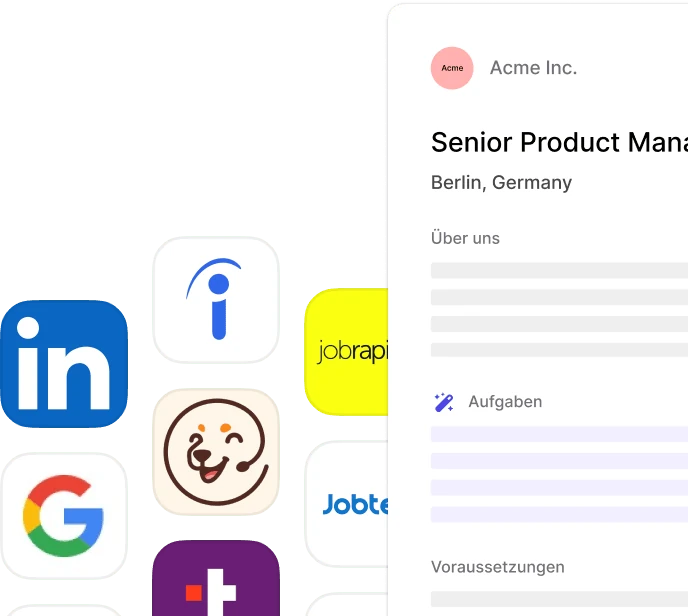
Popular portals like Indeed, Glassdoor, and LinkedIn are changing the game for recruiters. Alongside these, niche job boards cater specifically to particular industries, making the talent search even more targeted.
By posting your job ads to the right mix of generalist and niche job boards, you can reach a wide audience and attract the best talent faster and more effectively.
2. Implement an employee referral program
Employee referral programs are a golden ticket in recruitment. When you leverage the networks of your current employees, you tap into a reservoir of potential qualified candidates who come pre-vetted for cultural fit and job capabilities.
Plus, hiring through referrals often leads to reduced hiring times and increased retention rates. To make an employee referral program truly shine, it’s crucial to offer attractive incentives to your employees and to communicate regularly about the roles that are open.
3. Focus on employer branding
Your company’s reputation in the job market is a significant determinant of the kind of talent you attract.
Regularly updating your company’s website and active social media profiles, showcasing your ethos and values, can significantly boost your employer brand.
On platforms like Glassdoor, positive reviews and ratings can enhance your company’s attractiveness. Encouraging employees to share positive experiences on social media can also boost your employer’s brand.
Moreover, having a careers page on your company’s website showcasing your company culture can significantly enhance your appeal to prospective candidates.
Don’t have one yet? With JOIN’s free recruiting software, you get a free, customisable career page to make your business stand out!
Suggested read: How to create a career page
4. Prioritise diversity and inclusion
Incorporating diversity in your workforce isn’t just about corporate responsibility; it’s a strategic advantage.
Diverse teams bring an array of perspectives, fostering creativity and innovation. Furthermore, a company known for its diversity and inclusive culture will naturally attract a wider pool of talent.
To truly make strides in this area, companies must implement bias-free recruitment processes and conduct diversity training for recruiters. This all helps promote diversity, equity, and inclusion (DEI) in your business.
5. Adopt artificial intelligence (AI) and automation
The world of recruitment is buzzing with the potential of AI and automation in recruitment. The use of AI in tasks like resume screening and predictive analytics can greatly enhance the efficiency of the recruitment process.
By automating repetitive tasks, recruiters can focus more on relationship-building and other strategic aspects of their role.
6. Engage in active sourcing
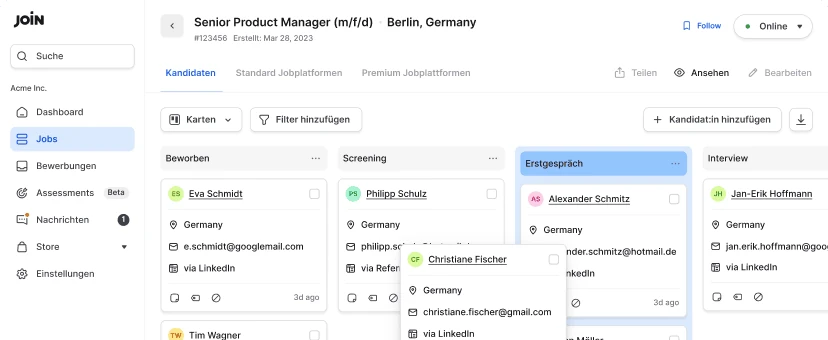
A more proactive approach to recruitment is active sourcing (also called passive candidate sourcing). This involves reaching out to potential candidates, including those not actively searching for a job.
Platforms like LinkedIn are invaluable in this respect. By building and maintaining a database of promising candidates (a talent pool), companies can significantly reduce time-to-hire when a position opens.
7. Use social media strategically
Beyond LinkedIn, platforms like Facebook and Twitter have become instrumental in the recruitment process.
These platforms aren’t just for company updates; they’re a window into your company’s culture and values. Sharing glimpses of company events or highlighting employee achievements can go a long way in piquing interest among prospective candidates.
8. Offer competitive benefits and perks
In today’s job market, a competitive salary alone won’t cut it. Top talents are on the lookout for benefits like health and dental insurance, retirement plans, and professional development opportunities.
However, perks like flexible working hours, the possibility of remote work, and wellness programs are becoming equally significant in the decision-making process of potential candidates.
For inspiration, check out our article on the best employee benefits.
9. Consider internships and apprenticeships
One of the best ways to assess potential employees in a real-world setting is through internships and apprenticeships.
These programs not only give young professionals a taste of the industry but also position your company favourably among new entrants in the job market. The key to a successful internship program is ensuring interns are given meaningful work and adequate mentoring.
10. Attend (or organise) job fairs
Job fairs offer a unique opportunity to meet a large pool of candidates face-to-face.
They also provide a platform to showcase your company culture and ethos in a more personal setting. Preparation is crucial. Having a memorable booth, engaging materials, and the possibility of on-the-spot interviews can make your company stand out.
11. Keep an eye on metrics and analytics
Lastly, what gets measured gets improved. Key metrics like time to hire, cost per hire, and quality of hire should always be on a recruiter’s radar.
Leveraging data analytics tools can provide actionable insights, helping HR departments refine their recruitment processes and strategies over time. Check out our article on the best recruitment KPIs to determine what metrics to track!
More tips on how to develop a recruiting strategy
Building an effective recruitment strategy that’s well-thought-out and optimised has become a pressing need for organisations aiming to thrive in the competitive job market.
Given the unique requirements of each organisation and the constantly evolving nature of the job market, the approach to recruitment needs to be both detailed and adaptable. Let’s quickly delve deeper into the methodology:
Assess current resources
Before venturing into new strategies, take stock of what you currently have. Dive deep into the tools, platforms, and collaborations your organisation is currently leveraging.
Here, you’ll need to:
- Evaluate the efficiency of your current recruitment software.
- Analyse the productivity of partnerships or recruitment agencies.
- Determine areas of the process that might be draining resources without yielding results.
Read: 5 best recruitment software for small businesses (free & paid)
Understand organisational needs
An intimate understanding of the organization’s needs forms the bedrock of a hiring strategy. This step is multi-faceted:
- Analyse workforce demographics: Evaluate the current skill sets, age distribution, and tenure of your employees.
- Project future goals: Anticipate where the company aims to be in the next 5-10 years, and discern the talent necessary to get there.
- Departmental input: Engage actively with various department leaders. Their insights into specific skill requirements can be invaluable.
Set clear goals
In any strategy, clarity of purpose is pivotal. Determine quantitative goals such as specific numbers of hires over a period. Quantitative goals should be trackable and measurable. Also see point 11 in the list above or check out our article on 7 essential talent acquisition metrics.
But don’t forget also to understand qualitative goals. Focus on the calibre of candidates or the need for enhancing workforce diversity.
Design a candidate-centric process
The experience of a candidate during the recruitment process can influence their decision. Minimise complexities in the application process. Furthermore, foster transparent communication, updating candidates about their application status and next steps.
And this should continue even after the process, with continuous feedback and iteration. After all, no strategy is perfect from the outset.
Encourage candidates, even if they weren’t selected, to provide feedback on the hiring process. Also, discuss with new hires about what attracted them and areas of potential improvement.
Stakeholder involvement
Involving stakeholders keeps the recruitment process tethered to organisational objectives.
Engage with key organisational figures at various stages of the recruitment process.
Allow for feedback and adjustments, ensuring the strategy remains relevant to organizational shifts.
Incorporating these detailed steps with diligence ensures not only that organisations find the right talent but also that they create an enriching journey for potential candidates. Ultimately, this fosters an environment conducive to growth and long-term success.
Further resources to build a great hiring strategy
To conclude, successful recruitment in today’s dynamic job market requires a blend of tried-and-tested methods and innovative approaches.
Embrace these recruitment strategies, measure your results, and constantly iterate to ensure you’re always attracting and retaining the best talent available. Happy recruiting!
Want more (free) help? Then check out these resources:

Frans Lelivelt
Frans is JOIN's multilingual Senior Content Manager. His main topic of interest in the recruitment space is DEI and how companies can reduce their (unconscious) biases to make the world of work a fairer, kinder place for everyone. Outside of work, he tries to do the same for animals, spending much of his spare time in the kitchen preparing plant-based feasts.